For many people, living abroad starts as a soft daydream. You picture warmer weather, better coffee, lower rent, slower days, and a version of yourself who is calmer and more alive. Then reality shows up. Visas. Housing. Bank accounts. Health insurance. Culture shock. Loneliness. Suddenly, living abroad feels much bigger than a postcard.
The truth is simple. Living abroad is not an escape. It is an expansion. It is messy and beautiful at the same time. Some days you will feel like the bravest person you know. Other days you will feel like you are starting from zero.
This guide walks you through both sides: the emotional and the practical. By the end, you will understand what living abroad really involves, how to choose where to go, how to set yourself up financially and mentally, and how tools like Aqee can make the entire journey clearer and calmer from day one.
Table of Contents
What Living Abroad Really Means
Today, living abroad is no longer a rare or extreme choice. It is normal to see people building long term lives in countries that are not their birthplace. Remote work, digital nomad visas, international degrees, and global hiring have opened doors that used to be firmly closed.
But “living abroad” is very different from “going on holiday”.
When you are living abroad:
- You still have deadlines, bills, and responsibilities.
- You still have to navigate taxes, healthcare, and paperwork.
- You still feel tired, annoyed, or bored sometimes.
The difference is that your daily life now plays out in a new environment. That environment can support you or stress you. Choosing where and how you live abroad matters as much as the decision to go.
Living abroad is about designing a new version of home, not constantly running away from the old one.
Redefine What “Home” Means When You Are Living Abroad
The first important step in living abroad has nothing to do with visas or packing. It starts in your mind.
When you leave your home country, you are also leaving the old definition of “home”. Home stops being a fixed place. It becomes a feeling you build.
Home might be:
- Your morning walk along a river in Porto.
- The local café in Berlin where the barista knows your order.
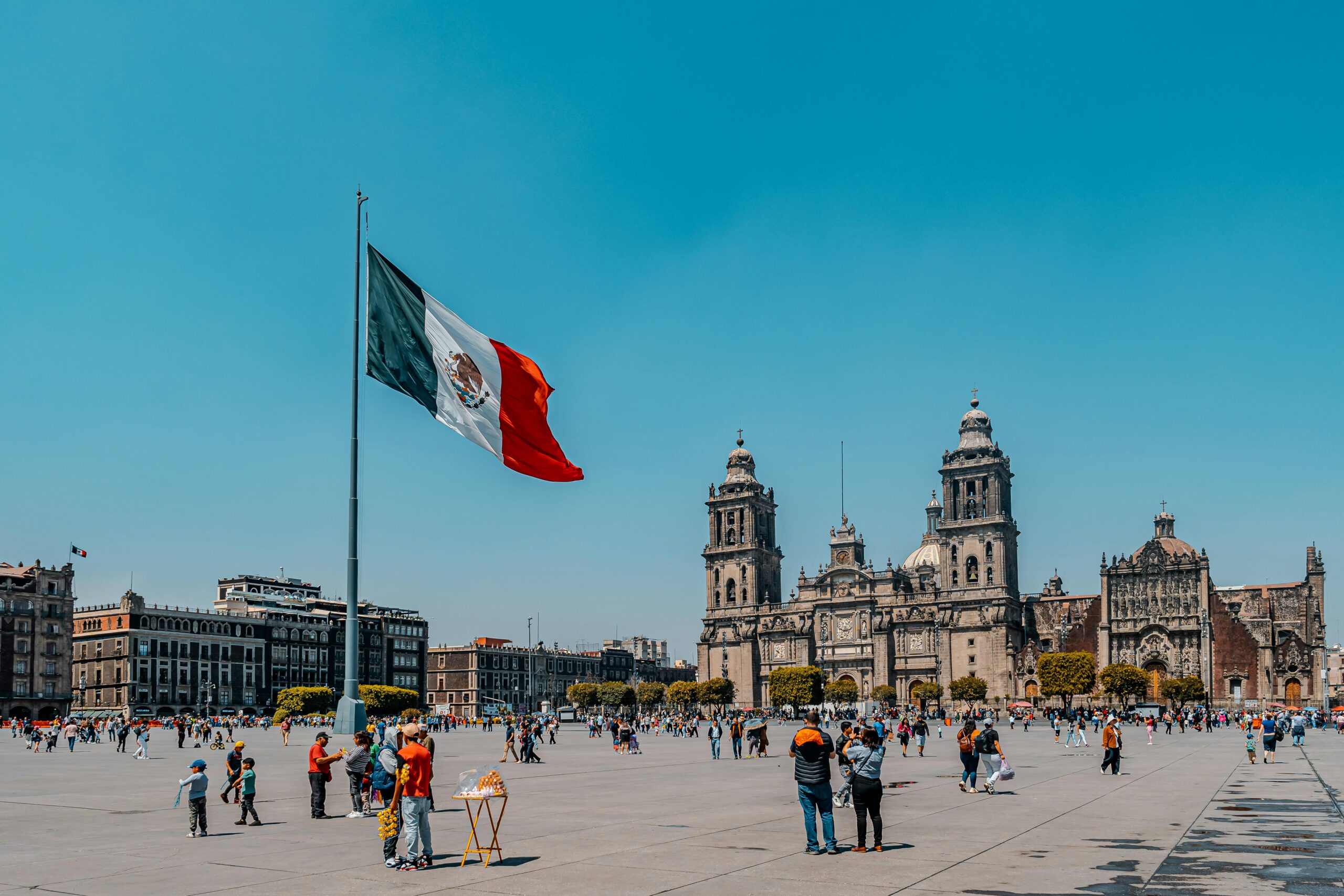
- The evening light in a side street in Mexico City.
- A WhatsApp group filled with friends spread across three continents.
Instead of trying to copy your old life exactly, ask yourself:
- Do I want more community, more creativity, more nature, or more stability?
- Do I want slower days or faster career growth?
- Do I value safety over excitement, or the other way round?
These questions help you design your version of living abroad with intention, rather than chasing someone else’s social media version of it.
Choose the Right Country for Living Abroad
Not every country is a good fit for every person. The “best” place for living abroad is the one that matches your budget, values, personality, and goals.
Here are some popular options and why people choose them:
| Country | Why People Choose It | Ideal For |
| Portugal | Warm climate, friendly culture, remote work scene | Remote workers, retirees |
| Spain | Strong healthcare, Mediterranean lifestyle | Families, digital nomads |
| Mexico | Rich culture, vibrant cities, lower costs | Creatives, entrepreneurs |
| Costa Rica | Nature, slower pace, “Pura Vida” mindset | Eco minded people, retirees |
| Colombia | Modern cities, spring like weather, affordability | Young professionals |
| Brazil | Energy, music, beaches, big opportunities | Adventurous expats |
Before you commit long term, test the reality of living abroad in that place:
- Spend at least a few weeks or a month there if you can.
- Shop where locals shop, not only in central supermarkets.
- Take public transport at busy and quiet times.
- Try coworking spaces or local libraries.
- Visit neighbourhoods that do not appear in tourist guides.
Sites like Numbeo help you compare cost of living, and platforms like Expatica provide detailed country specific guides. Together they give you more realistic expectations than a travel vlog ever will.
Visas, Money, Housing: The Practical Side of Living Abroad
The admin side of living abroad can feel like a wall of confusion, but if you break it into parts, it becomes manageable.
Visas and Residency for Living Abroad
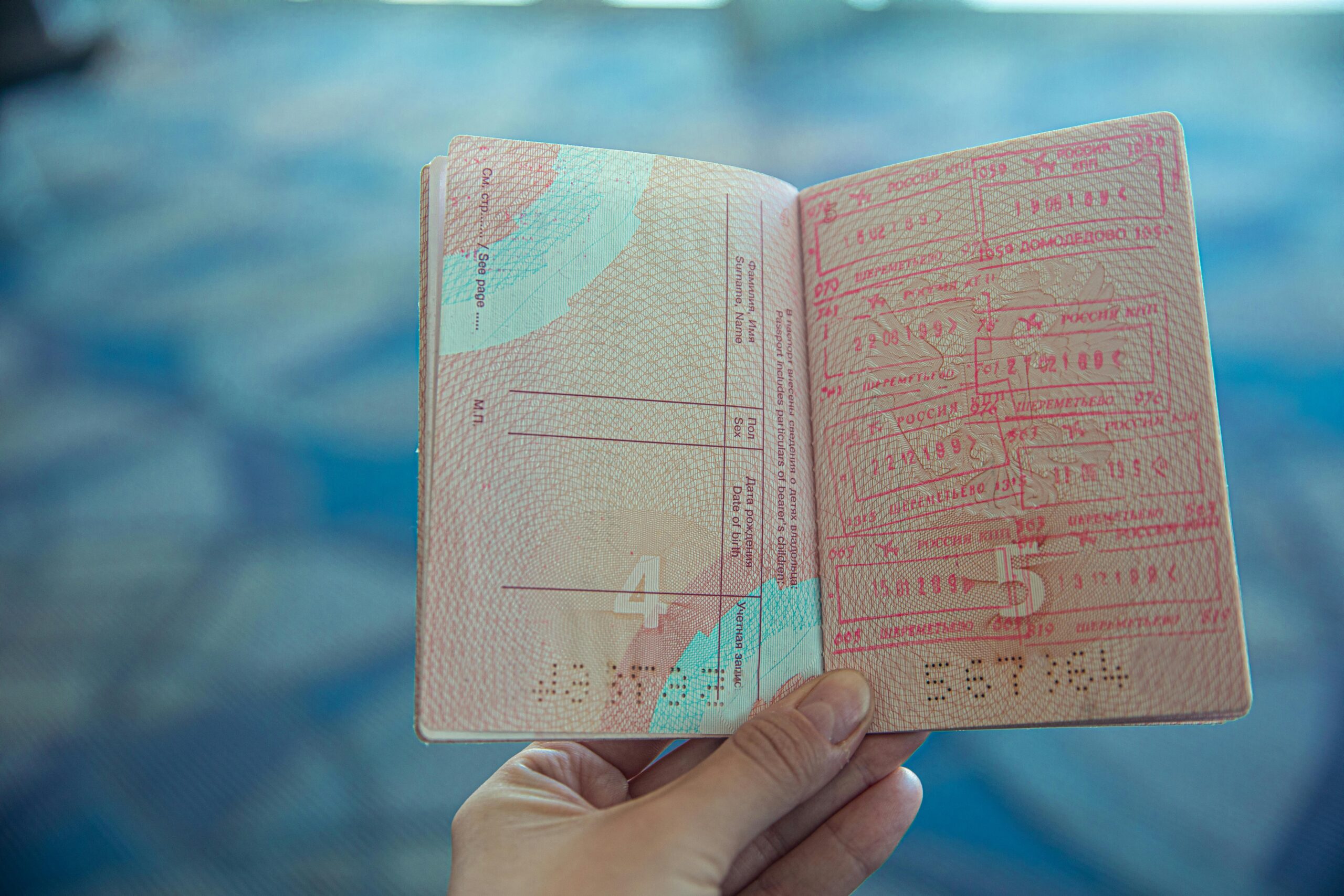
Every plan to live abroad must begin with the right visa. Common options include:
- Digital nomad visas
- Work permits or skilled worker visas
- Student visas
- Family reunification visas
- Retirement visas
- Startup and entrepreneur visas
Always read official government pages and trusted guides such as Expatica or embassy websites. Make a simple checklist of:
- Income or savings requirements
- Required documents (police checks, medical records, diplomas)
- Health insurance rules
- Deadlines and appointment systems
Keep everything in one place. Scattered screenshots and random email attachments are how people lose time and energy.
Money and Banking While Living Abroad
Financial stability is essential if you want living abroad to feel calm instead of chaotic.
- Build a savings buffer of at least two to four months of living costs.
- Use a multi currency account such as Wise or Revolut for smoother international payments.
- Understand how taxes work between your home country and your new one.
If things are complex, talk to an international tax advisor so you do not create problems for your future self.
Housing and Neighbourhoods for Living Abroad
Start flexible. When you arrive:
- Use short term rentals, coliving, or extended stay options.
- Avoid signing a long lease until you know which areas match your budget and personality.
- Join local housing and expat groups where people share honest reviews of landlords and buildings.
Over time you will learn which neighbourhoods feel safe, which fit your budget, and which align with your ideal lifestyle.
Building a Social Life While Living Abroad
The hardest part of living abroad is rarely the paperwork. It is the feeling of being socially “reset” to zero.
Suddenly you have:
- No built in friends.
- No default weekend plans.
- No familiar social shortcuts.
To rebuild a social life:
- Attend local meetups, coworking days, and language exchanges.
- Use platforms like Meetup, Bumble for Friends, and InterNations.
- Join sports clubs, creative workshops, or volunteering groups.
- Say yes to more invitations than usual, especially in the first months.
Most importantly, do not limit yourself to other expats. The richest version of living abroad is a mix of local friends and international ones. One group grounds you in the culture. The other understands your journey.
Learn the Language and Read the Culture
You can technically live abroad without learning the language, but your experience will stay at a surface level.
Even basic phrases like:
- “Good morning”
- “Please” and “thank you”
- “How are you”
- “Where is…”
- “Can you help me”
can completely change how people treat you.
Language learning tools such as Duolingo, Pimsleur, or HelloTalk can help you start, but the real progress happens when you:
- Order food in the local language.
- Ask for directions in person.
- Chat with neighbours, even awkwardly.
- Attend local events and pay attention to how people express themselves.
Language is a doorway into deeper layers of humour, nuance, and connection.
Staying Grounded and Mentally Healthy While Living Abroad
Culture shock is not a sign that you made a mistake. It is a natural part of living abroad. You have taken yourself out of everything familiar. That touches your nervous system, your sense of identity, and your day to day habits.
To stay grounded:
- Create small daily routines. A morning walk. A regular café. A weekly call with someone who knows you well.
- Move your body. Walk, stretch, swim, or join a fitness class.
- Limit endless scrolling about your home country or your new one.
- Talk honestly about how you feel, whether in a journal or with trusted people.
It is normal to feel homesick and excited in the same week. Those feelings can sit side by side.
If you notice longer periods of deep sadness, anxiety, or numbness, consider talking to a therapist who understands expat and cross cultural life. Many offer online sessions tailored to people living abroad.
Read Also: The Ultimate Immigration Checklist: Never Miss a Deadline Again
From Tourist to Local: Long Term Living Abroad
At some point, living abroad stops feeling like an experiment and starts feeling like a life.
This shift often shows up when:
- You stop comparing every small detail to “back home”.
- You know how to handle basic admin without panic.
- You have a few regular places where people recognize you.
- You have friendships that go beyond “which visa are you on”.
To support this long term phase of living abroad:
- Track your visa renewals and residency responsibilities.
- Learn local laws and everyday etiquette.
- Get involved in community life: volunteering, mentoring, neighbourhood projects, creative scenes.
This is the stage where the deeper rewards of living abroad really appear.
The Real Benefits of Living Abroad
The benefits of living abroad are not only external. They are deeply internal.
You gain:
- New perspectives on your home culture and on yourself.
- More tolerance for uncertainty and difference.
- Language skills and cross cultural understanding.
- Fresh ideas about work, family, and success.
Living abroad is like a real world degree in logistics, empathy, and adaptability. You learn to navigate systems, read people, and handle surprises with more composure over time.
Tools and Resources That Make Living Abroad Easier
You do not have to figure everything out alone. There are tools that can support almost every part of living abroad:
- Aqee – A platform designed to guide you through admin and integration, from documents and renewals to local discovery and city quests.
- Numbeo – Helps you compare cost of living between cities worldwide.
- Expatica – Offers detailed country guides for people living abroad.
- Wise – Makes international banking and money transfers simpler.
- SafetyWing – Provides global health insurance for digital nomads and long term travellers.
How Aqee Turns Living Abroad Into a Guided Journey
The biggest hidden challenge of living abroad is not just the paperwork. It is the fragmentation.
You have:
- Visa information in one browser tab.
- Rental contracts in email attachments.
- Appointment screenshots in your phone gallery.
- Notes about recommended neighbourhoods scattered across chats.
- Deadlines in random calendar reminders.
It is easy to feel lost when everything you need for living abroad is scattered across tools and places.
Aqee is built to solve that problem. It turns living abroad into a guided, trackable experience instead of a chaotic guessing game.
With Aqee, you can:
- Break your move into clear, achievable steps.
- Track documents, deadlines, and renewals in one place.
- Store important files in a smart vault and find them quickly with search.
- Follow curated “quests” that help you experience your city like a local, not just a visitor.
- Balance admin tasks with small adventures that make living abroad feel real and rewarding.
Aqee does not replace your courage. It supports it. It holds the structure so you can focus on actually living abroad, not just trying to keep up with the next form or office visit.
Final Thoughts: Living Abroad as Expansion, Not Escape
At first, living abroad feels like a leap. You leave what you know, step into what you do not know, and for a while you exist between worlds. But slowly, your new life takes shape. You learn the systems. You find your people. You grow into a new version of yourself.
Living abroad is not about running away from your old life. It is about expanding your world, your skills, your relationships, and your sense of what is possible. With the right preparation, a supportive mix of expat and local community, and a tool like Aqee to guide you through the bureaucratic and emotional maze, you can do more than just survive overseas. You can build a life that feels deeply yours.
If you are ready to start living abroad, or you are already halfway into the journey and want more structure and support, Aqee is here to help you move smarter, settle faster, and feel at home, wherever you decide to build your next chapter.