
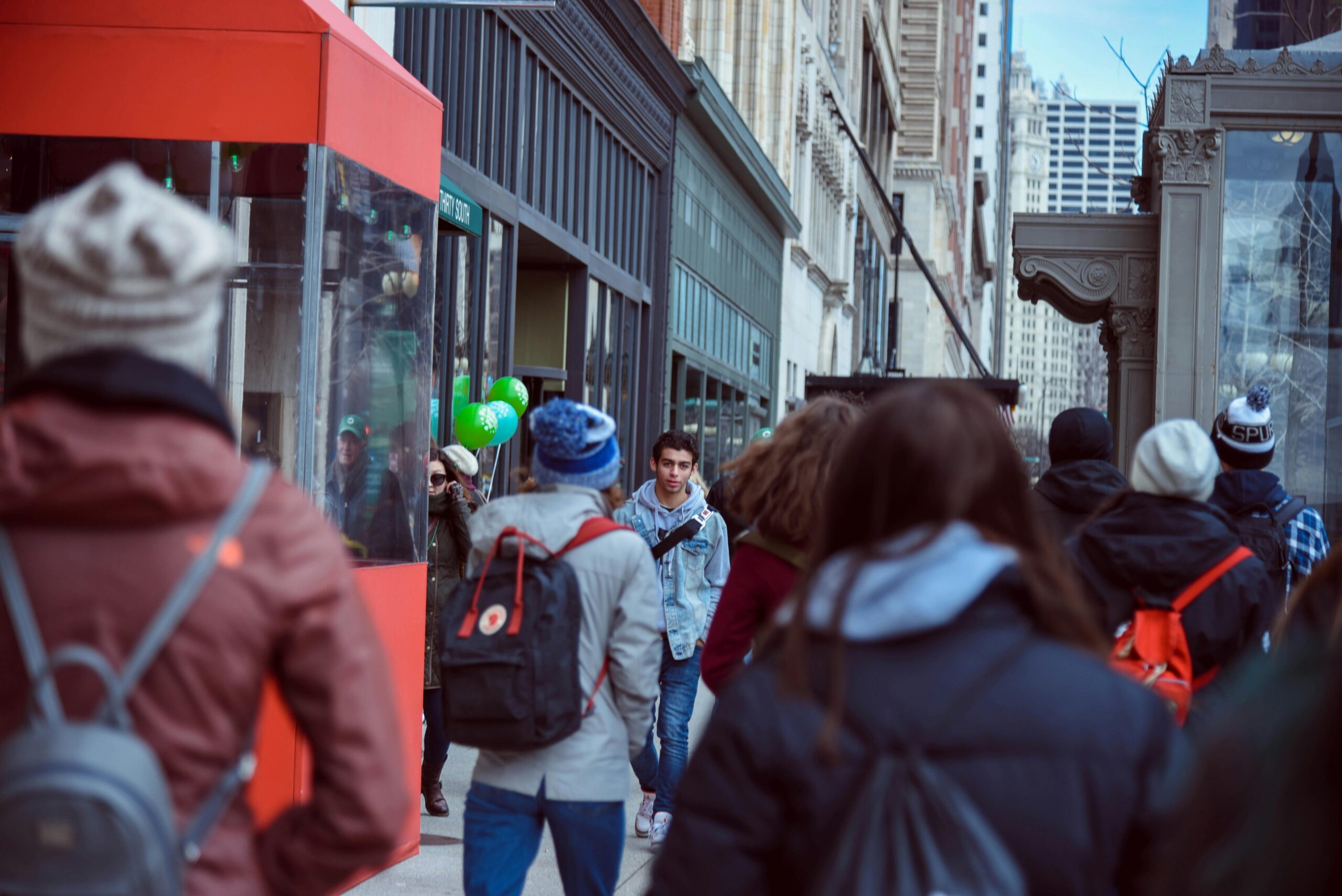
Landing in a new city is a strange mix of excitement and emptiness. One moment you are looking at new streets, cafés, and buildings, feeling like anything is possible. The next you are in a rented room, scrolling your phone, wondering how long it will take before this place feels like yours.
If you are asking yourself how to feel at home in a new city, you are not alone. Almost everyone who relocates goes through a phase where life feels like a paused movie. Your things are here, your body is here, but your sense of “home” has not caught up yet.
This guide is a gentle, practical roadmap for that in–between phase. It blends emotional honesty with concrete steps, so you can move from “I live here on paper” to “I actually feel at home here” in a realistic, sustainable way.
Table of Contents

Why It Is Hard To Feel At Home In A New City
Before you learn how to feel at home in a new city, it helps to understand why it feels so disorienting in the first place.
When you move, you do not just change geography. You lose:
- Your familiar routes
- Your “third places” (cafés, parks, gyms)
- Your background social network
- Your shortcuts in language and culture
Your brain is suddenly doing extra work all day: decoding signs, sounds, accents, unwritten rules, and new systems. No wonder you feel tired, even if you have not done much.
Nothing is wrong with you. You are not “bad at moving.” Your nervous system is just adjusting to a new reality. Feeling out of place is a phase, not a verdict.
Start With Stability: Routines Before Friendships
When people think about how to feel at home in a new city, they often jump straight to “I need friends.” Friends help, but foundation comes first.
Create a few simple routines in your first one to two weeks:
- A morning walk on the same street or by the same park
- A go–to grocery store where you learn the layout
- A default café where you can sit, work, or read
- A basic meal you can cook with local ingredients
These routines give your brain reference points. You begin to associate certain corners, smells, and sounds with safety and predictability. That is the first layer of feeling at home.
You can still explore widely, but having recurring anchors in your week is one of the quietest, most powerful answers to how to feel at home in a new city.
Map Your Everyday Life, Not Just Tourist Spots
Tourist guides are designed for short stays, not for people trying to build a life. If you want to know how to feel at home in a new city, map out your everyday infrastructure:
- The closest supermarket, bakery, and fresh market
- Pharmacies and clinics
- Public transport stops and routes you might use often
- Libraries, coworking spaces, or community centers
- Laundries, hardware shops, and postal points
Spend an afternoon walking a loop that connects these places. Do it on foot if possible. This is how you learn the “real” shape of your area, not just the version on Google Maps.
You will notice small details: a tree you like, a quiet bench, a noisy corner you will avoid, a shopkeeper who smiles when you walk past. These details are the raw material of feeling at home.
Make Your Space Feel Like You, Even If It Is Temporary
You might be in a short–term rental or a room that does not feel like yours at all. That can make it harder to figure out how to feel at home in a new city, because you do not have a solid base.
A few small, low–cost changes go a long way:
- Add a soft lamp instead of relying only on harsh overhead lights
- Buy a plant or two
- Use a blanket, throw, or cushion in colors you like
- Put up one or two photos or postcards
- Keep one shelf or table intentionally tidy and calm
You do not need a full Pinterest makeover. You just need a corner that signals “safe, mine, restful.” It is much easier to explore a new city when you know you are coming back to a space that supports you.
Read Also: Moving Abroad: The Ultimate 2026 Guide to Starting a New Life Overseas
Use Micro–Goals To Ease Social Anxiety
“Make friends” is too big and vague. If you want to know how to feel at home in a new city without overwhelming yourself, break social goals into micro–steps:
- Week 1: Say “hi” to the same barista or cashier twice
- Week 2: Attend one meetup, language exchange, or event
- Week 3: Ask someone you like from that event for a coffee
- Week 4: Join a recurring group (class, club, coworking day)
You do not have to become an extrovert. You just need enough regular faces in your week that you do not feel like a ghost passing through.
Platforms like Meetup and local Facebook or WhatsApp groups are helpful for finding your first events. Over time, your circles will grow more naturally.
Combine Online And Offline Community
When you are wondering how to feel at home in a new city, it is tempting to rely entirely on online spaces. Group chats and forums can be a lifeline, especially in the first weeks. But belonging happens in three dimensions.
Try this rhythm:
- Use online groups to ask questions, get tips, and find events
- Show up in person at least once a week, even for a small meetup
- Follow up with one or two people individually if you click
You can start with expat communities, but do not stop there. Look for mixed spaces where locals and internationals overlap: language exchanges, hobby classes, sports clubs, volunteering projects. This layered approach makes it easier to turn a contact into a familiar face, and a familiar face into a friend.
Learn Just Enough Of The Language To Be Human
You do not need fluency to start feeling closer to your new city. If you are asking how to feel at home in a new city in a place where you do not speak the language, aim for a “kind beginner” level:
- Greetings and polite phrases
- How to order food or coffee
- How to ask for directions
- How to say “I am still learning, can you repeat slowly?”
Using even a few local words signals respect and openness. People are often warmer and more patient when they see you are trying, even imperfectly.
Apps like Duolingo, Pimsleur, or HelloTalk are a good start, but the real learning happens when you try those words in real life. It might feel awkward, but it pays off.
Expect Emotional Ups And Downs
One of the hardest parts of learning how to feel at home in a new city is realizing how inconsistent your feelings can be.
- Week 1: “This is the best decision I have ever made.”
- Week 3: “What am I doing here?”
- Week 6: “I think I could actually stay.”
Those swings are normal. You have left behind your support systems and are still building new ones. Your emotions will sometimes lag behind your reality.
To support yourself:
- Sleep properly and hydrate, especially while adjusting to new rhythms
- Move your body regularly, even if it is just walking
- Limit endless comparison online with people in your old life
- Normalize talking about how you feel with someone you trust
If you notice long lasting signs of depression or burnout, consider reaching out to a therapist familiar with expat or cross–cultural life. The World Health Organization has useful resources on mental health support and why it matters.
Give Yourself A 30–Day And 90–Day Horizon
It is easy to panic and think “I still do not feel at home, maybe this was a mistake.” A simple way to reduce that anxiety is to give yourself a time horizon.
When you think about how to feel at home in a new city, think in phases, not days.
In the first 30 days, focus on:
- Getting your basics set up (admin, phone, groceries, routes)
- Building two or three routines
- Attending a few events, even if they do not all “click”
Between 30 and 90 days, focus on:
- Joining one recurring group or activity
- Deepening one or two connections
- Exploring new neighborhoods deliberately, not randomly
Around the 90–day mark, most people notice a shift. You still feel new, but you also start to feel rooted. Give yourself time to reach that point before you judge the entire experience.
Use “City Quests” To Turn Exploration Into Belonging
One surprisingly effective way to work on how to feel at home in a new city is to treat your integration like a series of small, meaningful quests.
For example:
- Find a bench with a view that feels like “yours”
- Find the best affordable lunch spot within 10 minutes of home
- Learn the names of three staff members in places you visit often
- Discover one park where locals actually go, not just tourists
- Take a different route home once a week and notice what changes
These small missions pull you out of autopilot. They help you see the city through the eyes of someone who lives there, not just someone who is passing through. This “quest” mindset is also at the heart of how Aqee is designed, but we will come back to that.
Anchor Yourself In Local Time
Time is one of the most underrated tools when figuring out how to feel at home in a new city. Pay attention to:
- When cafés are busy or quiet
- When families go out with children
- When people exercise outdoors
- When streets feel safe, lively, or empty
Try to sync at least part of your day with local patterns. For example, if people tend to have long lunches and late dinners, experiment with adjusting your meal times slightly. You do not have to copy everything, but aligning with the local rhythm in at least one or two ways helps your body feel more in tune with the environment.
Let Go Of The “Perfect City” Myth
If you spend a lot of time online, you might absorb the idea that there is one perfect city where everything will click. In reality, every place has tradeoffs:
- Affordable, but noisy
- Beautiful, but bureaucratic
- Fun, but far from family
- Safe, but slower for careers
When you ask how to feel at home in a new city, you are really asking “how can I build a good life with the mix of ingredients this place offers?” Shifting from “is this perfect?” to “can I build something meaningful here?” makes it easier to relax and engage with what is in front of you.
Helpful Tools When You Are Settling In
A few tools can make the practical side of settling in smoother, which frees up energy for the emotional side of how to feel at home in a new city:
- Cost of living comparisons: Numbeo
- Expat and relocation guides: Expatica
- Language exchange: Tandem, HelloTalk
- Social discovery: Meetup, Bumble For Friends
- Coworking and café scouting: Google Maps reviews plus local forums
Used lightly, these give you structure. Used obsessively, they become a distraction. The goal is to use tools to move you into real life more quickly, not to stay stuck in research mode forever.
How Aqee Helps You Feel At Home In A New City
Most people do not struggle with how to feel at home in a new city because they lack courage. They struggle because everything they need is scattered.
- Admin tasks in one place
- Visa information in another
- Appointment screenshots on their phone
- Notes about neighborhoods in random chats
- Ideas for things to do saved in ten different tabs
Aqee exists to make that easier.
It brings the practical and the human sides of relocation into one guided experience. With Aqee, you can:
- Break your move into clear steps, from landing to settling in
- Track documents, deadlines, and renewals in one smart vault
- Log important city information so you do not lose it
- Follow locally–curated quests that nudge you to discover real spots, not just tourist checklists
- Mix admin tasks with small moments of joy and exploration
If you are still choosing where to move, we also built a short, reflective survey that helps you narrow down which countries and cities actually match your preferences and priorities. Once you have decided, Aqee helps you turn that choice into a life.
Feeling at home in a new city does not happen in one big moment. It happens through dozens of small decisions and repeated actions. Aqee holds the structure so you can focus on living those moments, connecting with people, and slowly feeling that quiet click of “yes, this is my place now.”
You are not just trying to survive in a new city. You are learning how to belong there. And that is a journey worth doing with support.