

The cost of living in Lisbon is one of the main reasons people keep adding the city to their relocation shortlists. It sits in a rare position where European infrastructure, lifestyle, and safety still feel attainable without elite level income. At the same time, many newcomers arrive with outdated expectations, only to discover that Lisbon is no longer the cheap secret it once was.
This article is designed to give you a grounded, realistic understanding of the cost of living in Lisbon as it actually shows up month to month and year to year. Not influencer numbers. Not worst case panic. Real ranges based on how people live once they stop behaving like visitors and start building a life.
If you are considering Lisbon as a base for work, family, remote income, or long term residence, this guide will help you understand what it really costs, where money goes faster than expected, and how to plan with fewer financial surprises. Aqee fits into this process as a planning and integration layer, helping people move from abstract numbers to lived reality once they arrive.
Table of Contents
Who Lisbon is realistically for
Before diving into numbers, it matters to clarify who the cost of living in Lisbon actually works for.
Lisbon tends to work best for remote workers, freelancers, founders, retirees, and families with foreign income or flexible work arrangements. Local salaries are significantly lower than in Northern Europe or North America, which creates tension if you rely entirely on Portuguese wages.
If you earn in euros, dollars, or pounds from abroad, Lisbon offers strong lifestyle leverage. If you plan to work locally without senior level compensation, the cost of living in Lisbon can feel tight very quickly.
Understanding this context prevents disappointment later.
Rent and housing costs in Lisbon
Housing is the single biggest factor shaping the cost of living in Lisbon. It is also where expectations most often collide with reality.
As of now, monthly rent for a one bedroom apartment falls roughly into these ranges:
In central neighborhoods like Baixa, Chiado, Príncipe Real, or Bairro Alto, expect €1,200 to €1,600 for a modern one bedroom. Older buildings with fewer amenities may come in lower, but competition is intense.
In popular residential areas like Campo de Ourique, Alcântara, Estrela, or parts of Arroios, one bedroom apartments typically range from €900 to €1,300 depending on size and condition.
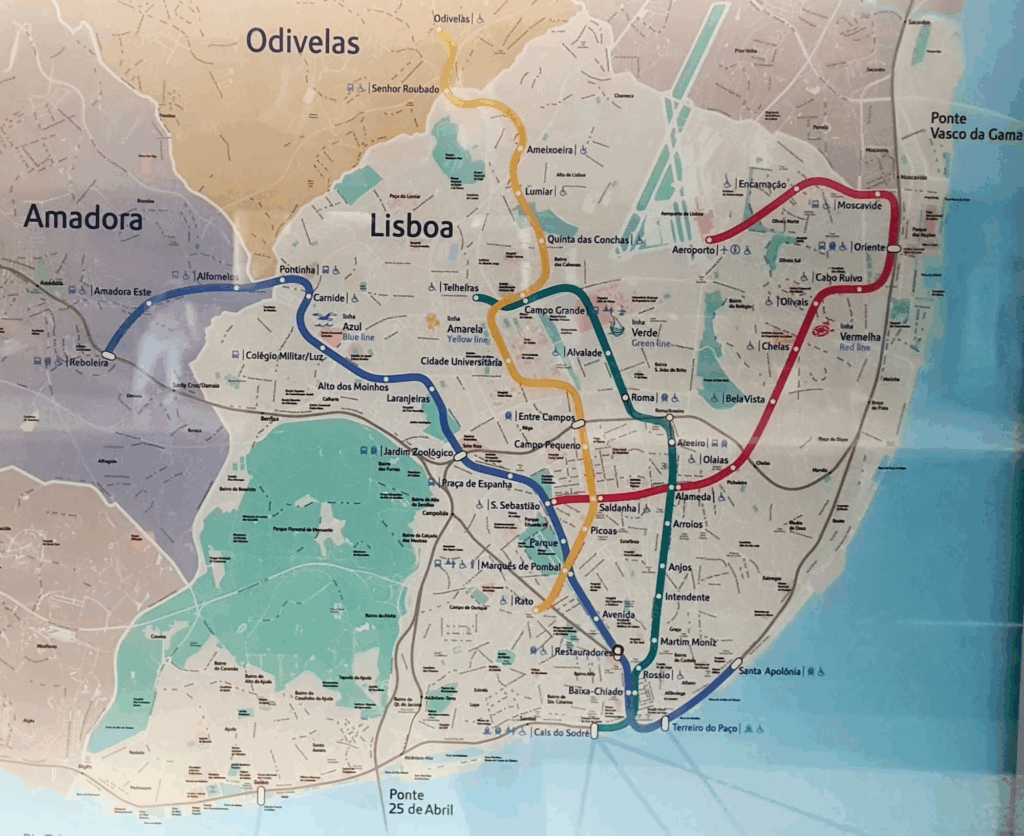
Further out, in neighborhoods like Benfica, Olivais, Lumiar, or Amadora, rents can drop to €700 to €1,000, with longer commutes and more local feel.
Two bedroom apartments usually add €300 to €500 to these ranges.
Deposits commonly equal one to two months of rent, and many landlords ask for proof of income or several months paid upfront, especially for foreigners. Aqee helps newcomers understand which requests are standard and which are red flags, reducing the chance of overpaying out of fear or urgency.
Utilities, internet, and phone costs
Utilities are relatively reasonable compared to rent, but they fluctuate based on building quality and usage.
For a one to two bedroom apartment, expect monthly utilities including electricity, gas, and water to land between €90 and €160. Older apartments with poor insulation can push this higher in winter.
High speed home internet typically costs €30 to €45 per month. Mobile phone plans range from €10 to €25 depending on data needs.
Overall, utilities do not dominate the cost of living in Lisbon, but poorly chosen housing can make them unpredictable.
Read Also: Complete Guide to Moving to Portugal in 2025: Visa, Cost & Tips
Food and groceries in Lisbon
Food is one of the areas where Lisbon still feels generous.
Monthly grocery costs for one person usually range from €200 to €300 if you shop primarily at supermarkets and local markets. Couples often land between €350 and €500.
Shopping at local markets, bakeries, and neighborhood shops helps keep costs down and improves quality. Imported goods, specialty health items, and international brands increase spending quickly.
Dining out remains relatively affordable by Western European standards. A casual lunch costs €8 to €12. A mid-range dinner with drinks lands around €15 to €25 per person. Regular restaurant dining can add €300 to €500 per month depending on habits.
The cost of living in Lisbon allows for frequent eating out, but lifestyle inflation is real once social life picks up.
Transportation costs and mobility
Lisbon is compact and well connected, which keeps transport costs manageable.
A monthly public transport pass covering metro, buses, and trams costs around €40. Many residents rely entirely on public transport.
Ride hailing services are widely used and relatively affordable for short trips. Expect €6 to €12 for typical city rides.
Owning a car increases costs significantly due to fuel prices, parking challenges, insurance, and maintenance. Most newcomers find it unnecessary unless living far outside the city.
Transportation rarely becomes a major strain in the cost of living in Lisbon if housing is chosen thoughtfully.
Healthcare and insurance costs
Portugal offers a public healthcare system that residents can access, but many newcomers rely on private healthcare for speed and convenience.
Private health insurance typically ranges from €40 to €120 per month depending on age and coverage. Doctor visits often cost €40 to €80 without insurance.
Compared to North America, healthcare costs significantly reduce the overall cost of living in Lisbon. Compared to Northern Europe, access may feel slower but more affordable.
Aqee helps newcomers understand when private insurance makes sense and how healthcare access changes as residency status evolves.
Social life, fitness, and lifestyle costs
This is where the cost of living in Lisbon can quietly expand.
Gym memberships range from €25 to €60 per month. Yoga studios and boutique fitness classes cost more.
Cafes, coworking spaces, and social activities add up quickly once routines form. Many people spend €150 to €300 per month here without noticing.
Nightlife and events are affordable compared to larger capitals, but frequency matters more than price.
Lisbon rewards moderation. A balanced social life fits comfortably into the cost of living. Constant novelty pushes budgets upward.
Monthly and yearly cost of living in Lisbon
Putting it all together, realistic monthly cost of living ranges look like this:
A lean but comfortable solo lifestyle typically costs €1,200 to €1,500 per month, assuming shared housing or living outside the center.
A comfortable solo lifestyle with a private one bedroom apartment usually lands between €1,700 and €2,200 per month.
A couple living comfortably should expect €2,400 to €3,000 per month depending on rent and lifestyle.
Annually, this translates roughly to:
- €15,000 to €18,000 for a lean solo lifestyle
- €20,000 to €26,000 for a comfortable solo lifestyle
- €28,000 to €36,000 for a comfortable couple
Families should expect higher housing and education costs, especially if private schools are involved.
Costs that surprise newcomers in Lisbon
Several expenses regularly catch newcomers off guard.
- Housing competition often pushes people into higher rent than planned.
- Older apartments can create high winter utility bills.
- Furniture and setup costs add up quickly for unfurnished rentals.
- Paperwork delays sometimes create temporary housing overlaps.
The cost of living in Lisbon feels manageable only when transitions are planned carefully. Aqee helps reduce these surprise costs by guiding timing, documentation, and sequencing.
How costs change once you move from visitor to resident
Visitors often underestimate costs because short stays mask long term expenses.
Once you become a resident, you encounter taxes, residency renewals, insurance adjustments, and deeper integration costs. At the same time, daily expenses often stabilize as tourist behavior fades.
The cost of living in Lisbon becomes more predictable after six to nine months, assuming housing is stable. This is the point where planning tools matter more than raw numbers.
Lean vs comfortable vs very comfortable living in Lisbon
Lean living in Lisbon means prioritizing shared housing, public transport, home cooking, and limited nightlife.
Comfortable living includes private housing, regular dining out, fitness memberships, and local travel.
Very comfortable living includes premium neighborhoods, frequent dining, private healthcare, and regular travel. At this level, Lisbon still undercuts most Western capitals but no longer feels cheap.
Understanding which tier you are aiming for makes the cost of living in Lisbon far easier to manage.
Where Aqee fits into planning life in Lisbon
Numbers alone do not make relocation successful. The difference between struggling and settling often comes down to structure.
Aqee helps people planning life in Lisbon by turning cost assumptions into lived plans. It supports housing decisions, admin sequencing, local integration, and lifestyle design so budgets align with reality.
Instead of reacting to costs after arrival, Aqee helps people anticipate them and adjust early, which is where real savings happen.
Final thoughts on the cost of living in Lisbon
The cost of living in Lisbon sits in a rare middle ground. It is no longer cheap, but it remains attainable. It offers safety, culture, climate, and community at a price point many global cities can no longer match.
Lisbon rewards preparation, moderation, and long term thinking. Those who arrive with clear expectations and structure tend to thrive. Those who chase old narratives often feel squeezed.
If you plan intentionally, the cost of living in Lisbon supports not just survival, but a genuinely high quality of life.