
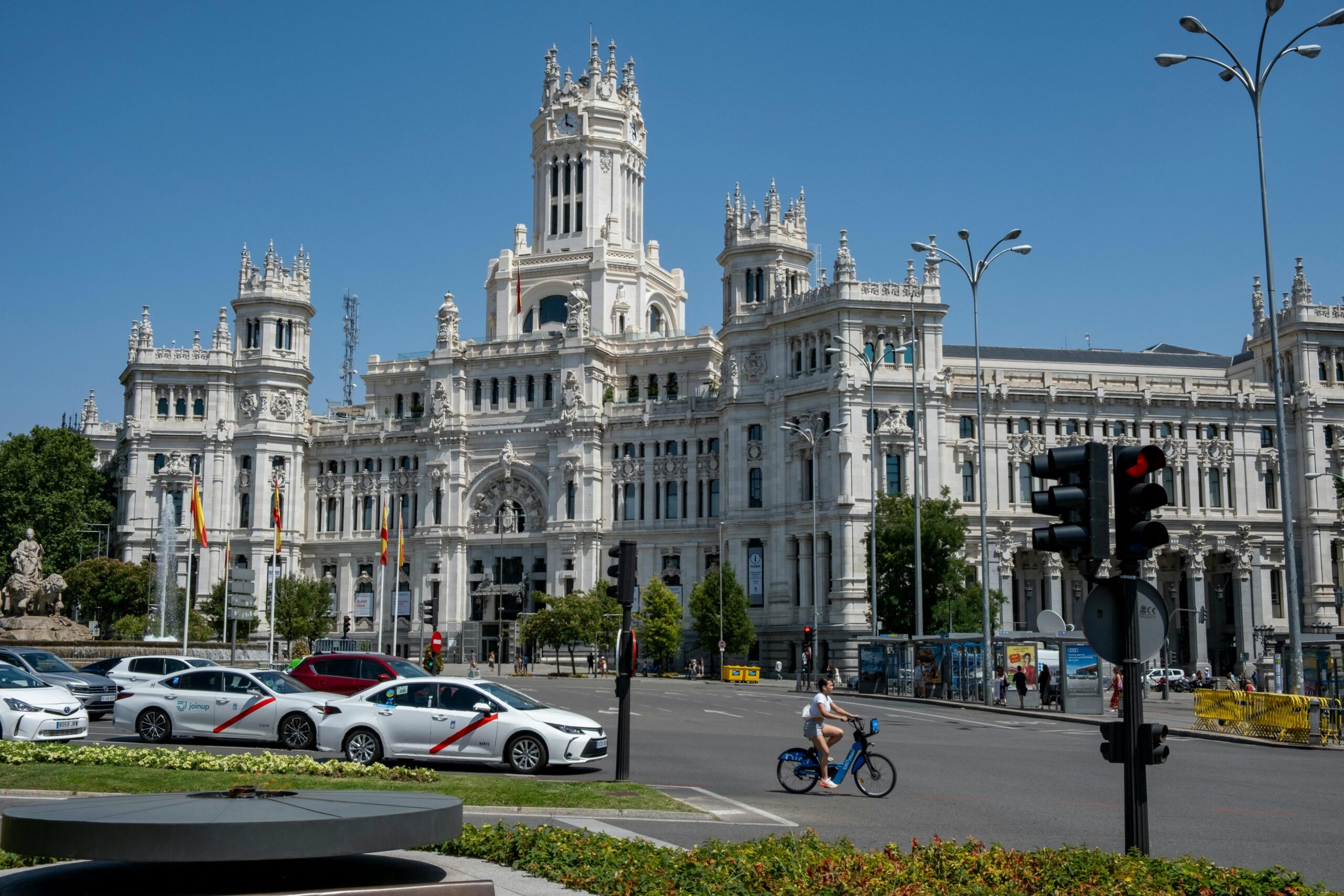
The cost of living in Madrid often surprises people in both directions. Some arrive expecting a bargain European capital and feel prices climbing faster than anticipated. Others brace for an expensive metropolis and discover a city that offers balance, scale, and quality of life without constant financial pressure. The truth sits between those extremes.
Madrid is not cheap, but it is rational. It rewards people who understand how neighborhoods, routines, and daily habits shape spending. Unlike coastal lifestyle cities driven by tourism, Madrid functions first as a working city. That difference matters deeply once you move from visitor to resident.
This article breaks down the cost of living in Madrid as it actually appears month to month and year to year. Not as a weekend destination. Not as an expat fantasy. As a place where people build long term lives. Aqee fits into this picture by helping people translate numbers into real choices around housing, admin, and everyday integration once they arrive.
Table of Contents
Who Madrid is realistically for
Madrid works for a wide range of profiles, but not all in the same way.
It suits remote workers, professionals, founders, families, and students who value infrastructure, culture, and scale. Compared to Barcelona, Madrid feels less seasonal and less tourist driven. Compared to Lisbon, local salaries are stronger, but costs are higher.
If you earn remotely or hold a well paid local role, the cost of living in Madrid supports a comfortable, socially rich lifestyle. If you rely on entry level local wages, budgets can feel tight, especially around housing.
Madrid rewards people who want a real city rhythm rather than a lifestyle bubble.
Rent and housing costs in Madrid
Housing is the biggest factor shaping the cost of living in Madrid, but it remains more manageable than many European capitals.
Monthly rent for a one bedroom apartment typically looks like this:
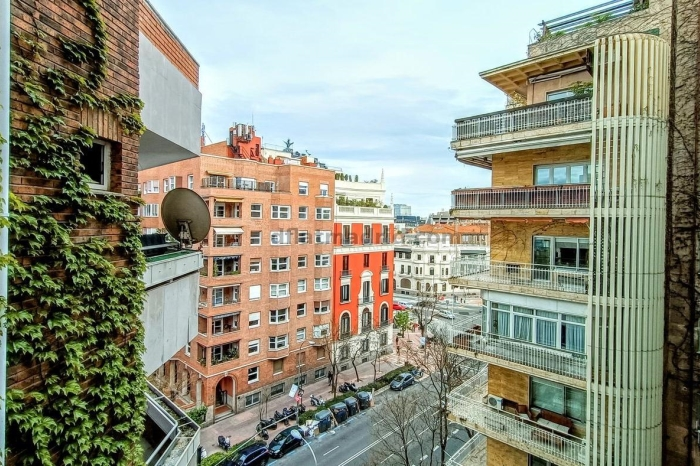
In central neighborhoods such as Salamanca, Chamberí, Chueca, Malasaña, and parts of Centro, one bedroom apartments usually range from €1,100 to €1,500 depending on size, building age, and furnishings.
In popular but slightly less central areas like Arganzuela, Retiro, Delicias, and parts of Tetuán, rents often fall between €850 and €1,150.
Further out, in neighborhoods such as Vallecas, Carabanchel, Usera, or Alcorcón, one bedroom apartments can range from €700 to €950 with longer but reliable commutes.
Two bedroom apartments generally add €300 to €450 to these ranges on idealista.
Deposits usually equal one month of rent, though some landlords ask for additional guarantees. Competition exists, but it is far less aggressive than in Barcelona or Lisbon. Aqee helps newcomers understand which neighborhoods balance cost, commute, and lifestyle rather than chasing centrality blindly.
Utilities, internet, and phone costs
Utilities in Madrid are moderate and relatively predictable.
For a one to two bedroom apartment, monthly utilities including electricity, gas, and water usually range from €90 to €150. Winter heating and summer air conditioning push this higher in poorly insulated buildings.
High speed home internet typically costs €30 to €45 per month. Mobile phone plans range from €10 to €25 depending on data needs.
Utilities rarely dominate the cost of living in Madrid unless housing quality is poor.
Food and groceries in Madrid
Food is one of Madrid’s strongest value points.
Monthly grocery costs for one person typically range from €200 to €280 when shopping at standard supermarkets and local markets. Couples often spend €350 to €500.
Local markets, bakeries, and neighborhood shops offer excellent quality at reasonable prices. Imported products and specialty items increase costs quickly.
Dining out remains affordable for a capital city. A casual lunch often costs €10 to €14. A mid range dinner with drinks usually lands between €18 and €30 per person.
Regular dining out is culturally normal in Madrid and fits comfortably into the cost of living when balanced with home cooking.
Read Also: Spain Remote Work Visa: Powerful 2026 Guide For Stress Free Relocation
Transportation costs and commuting
Madrid has one of the most efficient public transport systems in Europe.
A monthly transport pass typically costs €20 to €55 depending on age and zones covered. Many residents qualify for discounted rates.
The metro, buses, and commuter trains are reliable and extensive. Most residents do not need a car.
Ride hailing services are available but not necessary for daily life.
Transportation is one of the least stressful parts of the cost of living in Madrid if housing is chosen thoughtfully.
Healthcare and insurance costs
Spain offers a strong public healthcare system that residents can access after registration. Many newcomers still opt for private insurance for speed and convenience.
Private health insurance typically costs €40 to €100 per month depending on age and coverage. Private doctor visits often cost €40 to €80 without insurance.
Healthcare costs significantly reduce the overall cost of living in Madrid compared to North America and many Northern European countries.
Aqee helps newcomers understand when private insurance is useful and how healthcare access changes as residency status evolves.
Social life, fitness, and lifestyle costs
Madrid is a social city, but it does not force constant spending.
Gym memberships range from €25 to €60 per month. Boutique studios and specialized classes cost more.
Cafes, coworking spaces, cultural events, and nightlife add up gradually rather than explosively. Many residents spend €150 to €300 per month here depending on habits.
Madrid’s social life is built around repetition and community rather than novelty, which helps control lifestyle inflation.
Monthly and yearly cost of living in Madrid
When major categories are combined, realistic monthly cost of living ranges look like this:
A lean but comfortable solo lifestyle typically costs €1,200 to €1,500 per month, assuming shared housing or living outside the center.
A comfortable solo lifestyle with a private one bedroom apartment usually lands between €1,700 and €2,100 per month.
A couple living comfortably should expect €2,300 to €2,900 per month depending on rent and lifestyle.
On a yearly basis, this translates roughly to:
- €15,000 to €18,000 for a lean solo lifestyle
- €20,000 to €25,000 for a comfortable solo lifestyle
- €28,000 to €35,000 for a comfortable couple
Families should budget more for housing and education, but Madrid remains relatively family friendly financially.
Costs that surprise newcomers in Madrid
Several expenses often catch newcomers off guard.
- Unfurnished apartments require upfront furniture costs.
- Utility contracts and registrations take time and patience.
- Summer energy bills rise due to air conditioning.
- Short term rentals inflate expectations about long term rent.
The cost of living in Madrid becomes easier once these are anticipated rather than discovered late.
How costs change from visitor to resident
Visitors often underestimate Madrid’s cost because short stays hide administrative and routine expenses.
Once you become a resident, costs stabilize. Tourist spending drops, routines form, and social life becomes more local and affordable.
The cost of living in Madrid usually feels more predictable after three to six months, especially once housing is settled.
Lean vs comfortable vs very comfortable living in Madrid
Lean living means shared housing, public transport, home cooking, and selective social spending.
Comfortable living includes private housing, regular dining out, fitness memberships, and cultural participation.
Very comfortable living includes premium neighborhoods, frequent travel, private healthcare, and high discretionary spending. Even then, Madrid remains more affordable than many comparable capitals.
Knowing which tier you are targeting helps Madrid feel sustainable rather than stressful.
Where Aqee fits into planning life in Madrid
Madrid is easier than many cities, but it still overwhelms newcomers with choice and admin.
Aqee helps people planning life in Madrid by structuring decisions around housing, documentation, healthcare, routines, and budgeting. It reduces friction so costs align with expectations rather than drifting upward unnoticed.
Instead of reacting to expenses after arrival, Aqee helps people plan intentionally and adjust early, which is where Madrid’s value really shows.
Final thoughts on the cost of living in Madrid
The cost of living in Madrid strikes a rare balance. It offers scale, culture, safety, and social richness without the relentless financial pressure of cities like London or New York.
Madrid rewards people who approach it as a place to live, not just experience. Those who plan thoughtfully find it generous. Those who chase assumptions feel squeezed.
With clear expectations and structured planning, Madrid supports a high quality of life that is both vibrant and financially sustainable.